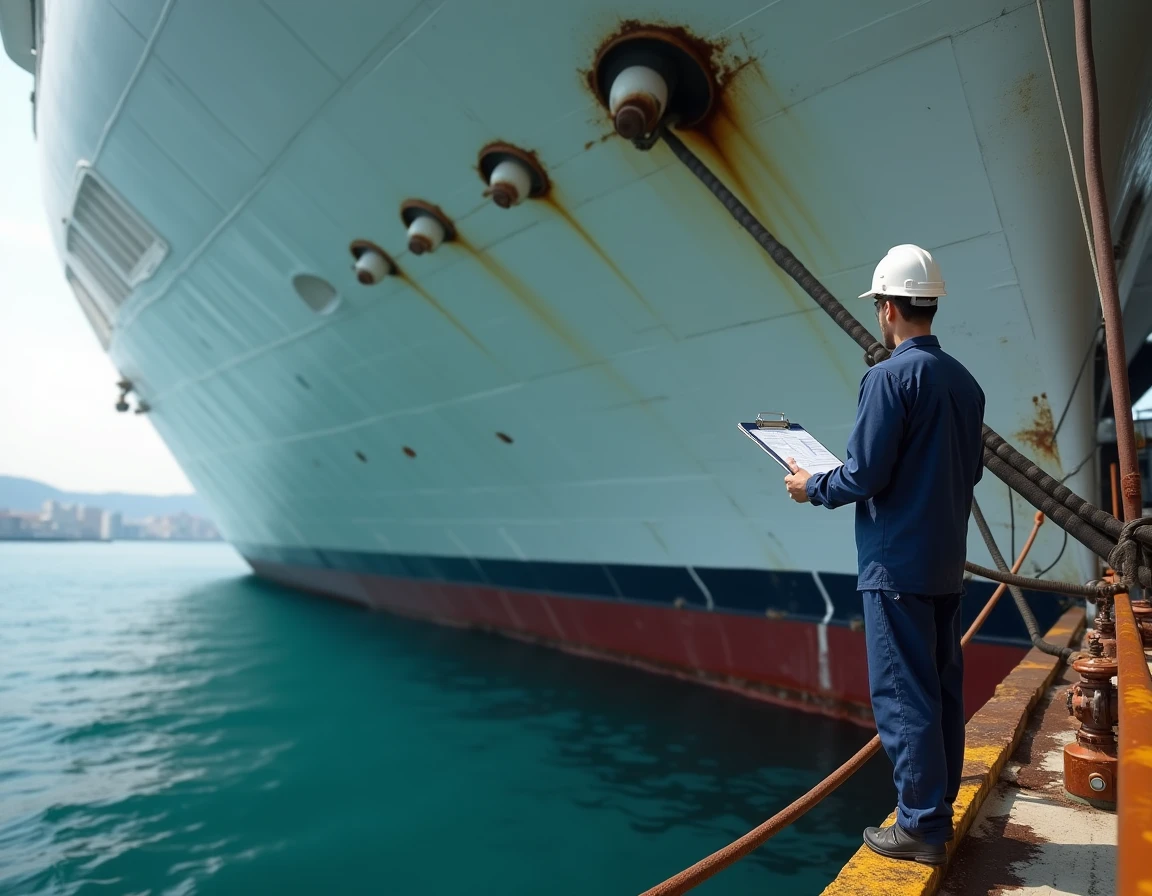
A cruise ship carries several thousand passengers and crew members for days, sometimes weeks. Each day, this floating population produces considerable volumes of wastewater, from toilets to showers to kitchens. The treatment of these effluents on board adheres to technical and regulatory constraints that have significantly evolved in recent years, particularly due to the tightening of standards in certain European maritime areas.
Onboard treatment plants: what happens under the decks
Modern cruise ships are equipped with true miniaturized treatment plants. The principle is based on a strict separation between two categories of effluents: black water (toilets) and grey water (showers, sinks, kitchens, laundry). These two flows do not follow the same circuit on board.
Black water passes through retention tanks and then undergoes biological treatment. Bacteria break down organic matter in membrane bioreactors, a process comparable to what is found in land-based treatment plants. The outgoing water undergoes disinfection, often by ultraviolet light or chemical injection, before being either stored or discharged into the sea if regulatory conditions permit.
Understanding where the waste from cruise ships goes requires distinguishing this biological treatment from older systems still present on some aging vessels, which only rely on grinding and chlorination before discharge.
Grey water, on the other hand, represents a much larger volume. It contains cooking fats, soap residues, and microplastics from textiles. Its treatment is less regulated by international conventions, which poses a distinct environmental problem.
MARPOL Convention and special areas: the regulatory framework for discharges at sea
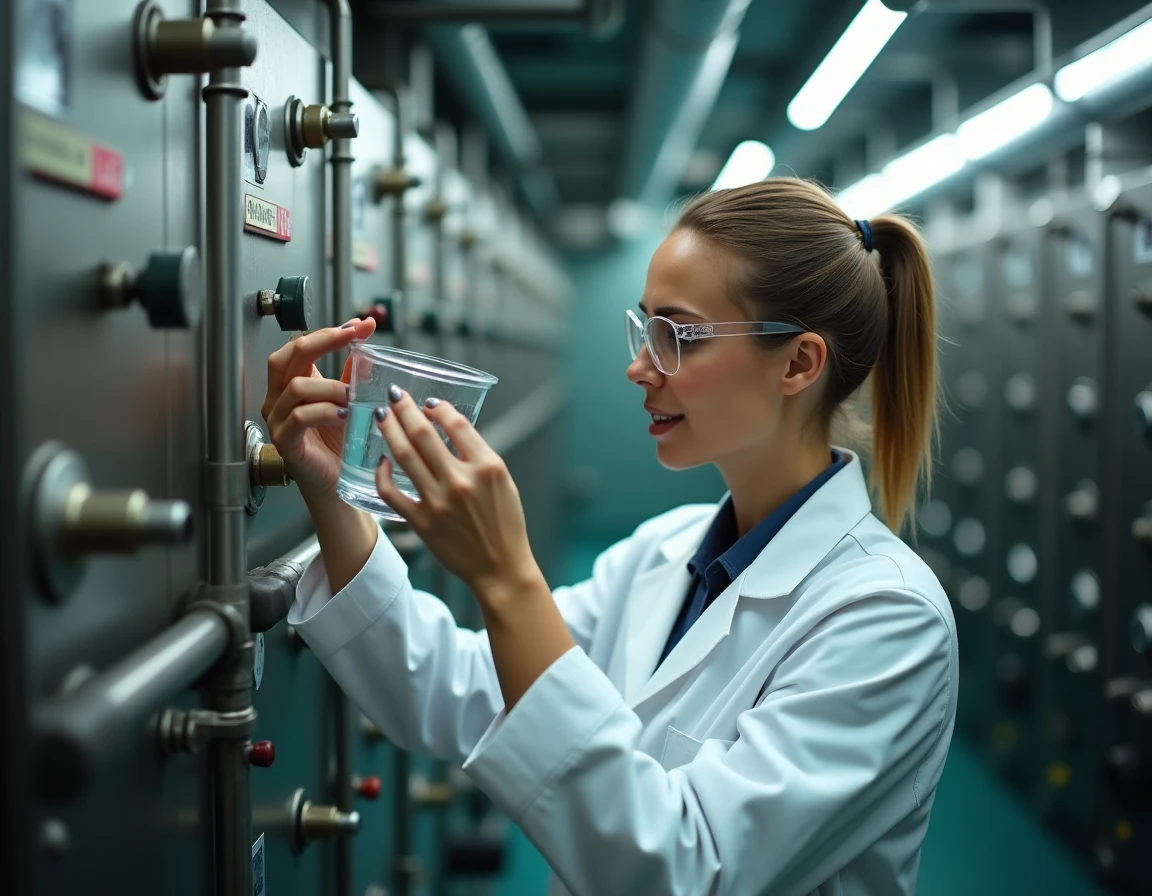
The discharge of wastewater by ships is governed by Annex IV of the MARPOL Convention, adopted by the International Maritime Organization. This text sets minimum distances from the coast and treatment standards to allow for sea discharge.
Outside protected areas, a ship equipped with a compliant treatment plant can discharge its treated black water beyond a certain distance from the coast. Untreated water can only be discharged at an even greater distance, and at a controlled flow rate.
Baltic Sea and North Sea: stricter restrictions
The situation has notably changed in the so-called “special” areas under MARPOL. The Baltic Sea now prohibits the discharge of even treated black water for passenger ships, a measure that has been gradually implemented since 2019-2021. The North Sea is following a similar trajectory.
These prohibitions require cruise companies to store all their effluents during transit through these areas and then discharge them at port facilities. This transfer to land-based networks represents a paradigm shift from the historical practice of offshore discharge.
- In the Baltic Sea, cruise ships must transfer their black water to port reception facilities, with no possibility of discharge at sea.
- Northern ports and some Mediterranean ports impose mandatory connections to local sanitation networks during stops.
- The European directive on port reception facilities (revision of directive 2000/59/EC) strengthens these obligations for all ships calling at ports in the European Union.
Actual pollution from cruise ships: what treatment systems do not capture
Even with efficient treatment plants, discharges from cruise ships pose problems that the regulatory framework only partially covers. Grey water, for example, remains weakly regulated. A ship can legally discharge its shower and kitchen water near the coast in most maritime areas.
Grey water contains pharmaceutical residues, microplastics, and nutrients that contribute to the eutrophication of coastal areas. Onboard treatment systems are not designed to remove these emerging pollutants.
Treatment sludge and solid waste
The purification process generates residual sludge, concentrated in organic matter and contaminants. This sludge must theoretically be discharged on land for appropriate treatment. Available data do not allow for a definitive conclusion that all companies systematically comply with this obligation, particularly during long crossings without stops at equipped ports.
Solid waste (wipes, sanitary products) that enters the black water circuit poses a recurring mechanical problem. They clog filters and reduce the efficiency of bioreactors, which can degrade the quality of the discharged effluent.
Port connection and the future of wastewater treatment in cruising
The overarching trend is towards an increasing obligation to discharge on land effluents. Port authorities of major cruise ports, in Northern Europe as well as in the western Mediterranean, are investing in reception infrastructures capable of absorbing the volumes produced by cruise ships.
This evolution forces companies to adapt their ships. Retention tanks must be sized to store several days’ worth of effluents, which reduces the available space for other uses. Rapid pumping systems at port are becoming a design criterion for new ships.
In contrast, older ships struggle to adapt to these new requirements. Their limited storage capacity and outdated treatment systems make them dependent on discharge at sea in areas where it is still permitted. The renewal of the global cruise fleet will take many more years.
The subject remains poorly documented independently. Companies communicate about their technological investments, but at-sea inspections are rare, and field reports vary on the actual compliance with standards. Regulatory pressure is increasing, especially in Europe, but a significant portion of cruise itineraries takes place in waters where constraints remain minimal.