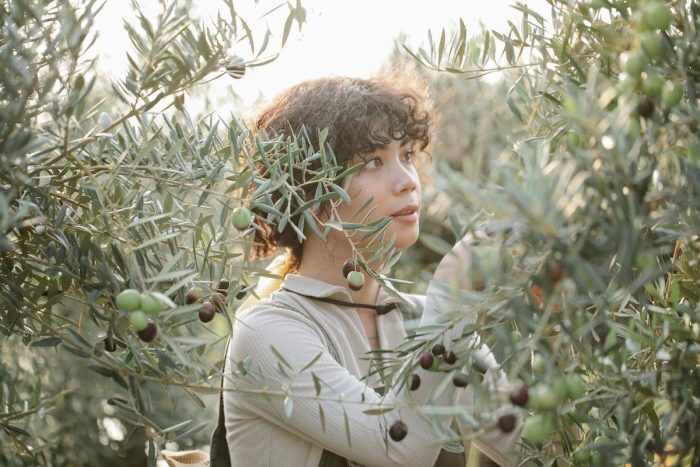
Growing larger olives is an achievable goal for every gardener, and it can be done without the use of chemicals or synthetic fertilizers. By opting for organic gardening techniques that respect nature, it is possible to obtain larger and tastier fruits. This involves adopting good practices, ranging from choosing the right olive variety to using natural fertilizers, along with controlled irrigation. Regular and attentive maintenance of the tree is also essential. Here are some tips to improve the size of your olives naturally and in an environmentally friendly way.
Factors Influencing Olive Size: An In-Depth Investigation
Understanding the factors that influence olive size is a crucial step in optimizing their growth and production. A variety of variables can affect the final yield, including environment, climate, and farming techniques.
Certainly, a number of olive varieties are more likely than others to produce large fruits. Choosing the right variety based on the desired size is a fundamental step when discussing the improvement of olive size. ‘Picholine’, ‘Kalamata’, and ‘Frantoio’ are some of the species known for their high productivity.
Alongside these genetic considerations come human interventions in the cultivation and harvesting process. Using baking soda to remove bitterness from olives proves to be an excellent natural method that not only enhances their taste but also their overall appearance.
Indeed, soaking olives in a solution containing 2% baking soda for several hours effectively helps eliminate some of the bitter components present in these particularly robust fruits with a sometimes unpleasant acidic taste.
Moreover, it is important to adopt an ecological approach in your farming practices: thus, prioritize the moderate use of organic fertilizers instead of aggressive chemical products that can negatively impact your soil and therefore indirectly affect the final quality sought for your precious olives.
Pruning is a significant aspect of the equation. Adopt well-controlled techniques to prune your fruit trees to optimize their yield without damaging the fruit-bearing branches. After this operation, remember that your trees will need additional care: organic compost around the roots and regular watering will then be necessary.
Organic Gardening: Practices for Larger Olives
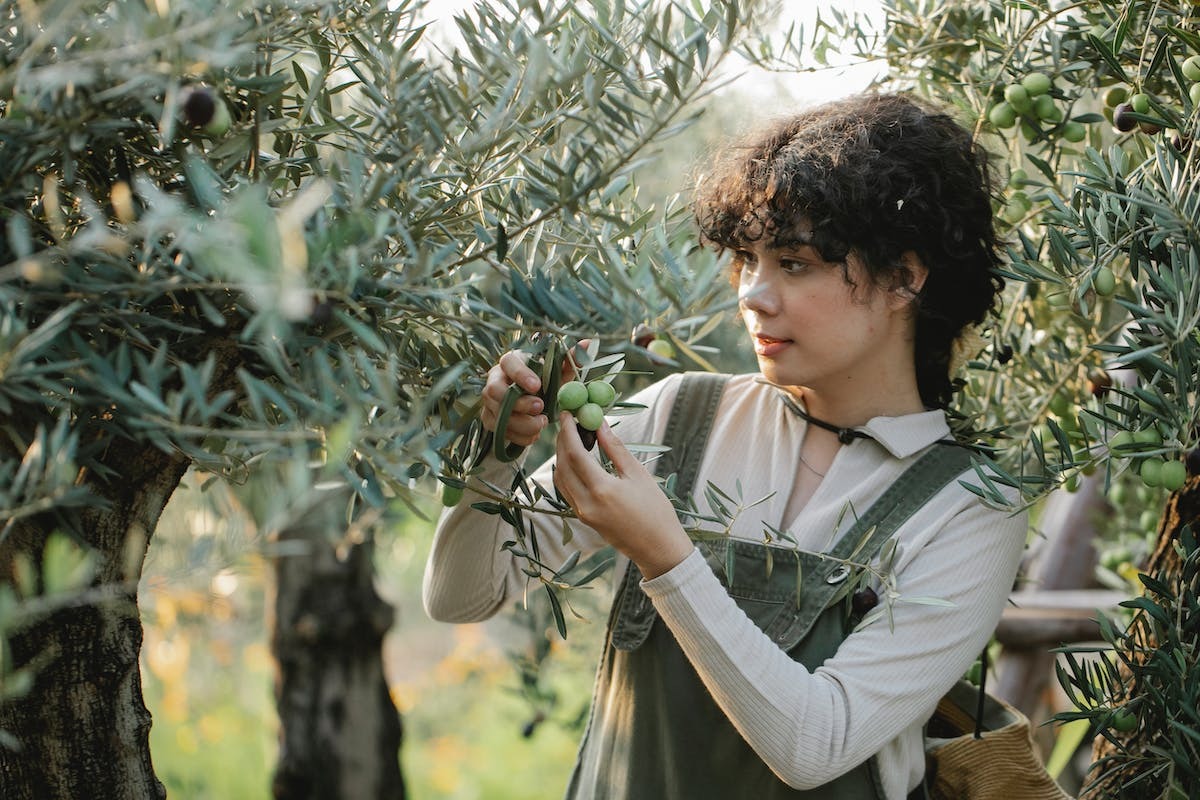
In order to promote the size of olives through environmentally friendly practices, it is essential to use organic gardening methods. These techniques not only improve the health and vitality of the trees but also preserve the natural balance of the ecosystem.
Particular attention should be paid to soil quality. Indeed, healthy and well-nourished soil will promote vigorous growth of olive trees, resulting in more abundant production. It is recommended to use natural fertilizers such as compost or plant-based manures to enrich the soil with essential nutrients.
To limit pest attacks and diseases that may affect olive trees and compromise their optimal development, it is preferable to opt for organic treatments. Chemicals can have a harmful impact on surrounding biodiversity and thus lead to undesirable ecological imbalances. By using alternative solutions like vegetable oils or plant-based decoctions with recognized insecticidal or fungicidal properties, you avoid these harmful consequences on the environment while effectively protecting your crops.
In a constant effort to preserve the overall ecosystem of organic gardening and promote environmentally friendly organic farming, it is essential to adopt a well-thought-out plant diversity. This can help attract natural predators that play a key role in pest control. Pollinator flowers and specific host plants attract often predatory and parasitic insects, which contribute to maintaining a natural balance in the garden.
To promote olive size, it is recommended to use prudent pruning. This technique involves carefully removing diseased or damaged branches and controlling excessive tree growth by making precise cuts. This improves air circulation around the leaves and fruits, reduces the risk of mold or disease development, and simply encourages the formation of a regular and symmetrical crown.
By adopting these organic gardening practices dedicated to olive pruning, you maximize your chances of obtaining an abundant and high-quality harvest. Preserving the environment while respecting nature is a wise choice that will allow you to grow robust trees with succulent olives.
Soil Nutrition: Key to Olive Growth
In the context of optimizing olive size by prioritizing an organic approach, it is important to consider soil nutrition as a key aspect to promote their growth and maintain their health. Indeed, well-nourished soil will allow olive trees to thrive and produce abundant fruits.
To ensure adequate soil nutrition, it is advisable to conduct a thorough analysis. This evaluation will determine which nutrients may be lacking or present in excess in the soil. Based on these precise scientific foundations, you will then be able to make the necessary adjustments to meet the specific needs of the olive trees.
One of the crucial aspects of soil nutrition is the balance between its mineral components. Trace elements such as iron, zinc, copper, and manganese play a vital role in the overall health of fruit trees, especially olive trees. These elements are responsible for essential biological functions such as photosynthesis and enzymatic formation necessary for optimal growth.
It is important to take care of the soil pH to ensure it meets the specific requirements of olive trees. An optimal pH promotes better absorption by the roots and thus a more effective assimilation of the nutrients available in the soil. In some cases where an acidic imbalance (too low pH) is observed, the addition of agricultural lime may be necessary to correct this situation.
Organic matter plays a major role in soil nutrition. The use of compost or organic amendments not only enriches the soil with natural nutrients but also improves its structure and water retention capacity. This better water retention is particularly beneficial for olive trees that require a regular water supply for their growth and fruiting.
It is worth noting that maintaining a plant cover between the rows of olive trees is an interesting strategy to promote soil nutrition. Intercropping can provide additional benefits such as increased atmospheric nitrogen fixation by certain legumes or improved microbial biodiversity in the soil due to synergistic interactions with tree roots.
Taking care of soil nutrition is essential if you want to optimize olive size in your organic gardening. By balancing mineral elements, adjusting the appropriate pH, and promoting organic matter enrichment, you provide fruit trees with an environment conducive to their healthy and vigorous growth. Prioritize these environmentally friendly practices to obtain tasty olives while preserving our precious ecosystem.
Tips for Effective Olive Pruning
In the interest of effective olive pruning, it is essential to focus on the different techniques to be used. Training pruning plays a crucial role in the harmonious development of the tree. This operation involves removing unwanted or poorly placed branches to promote a solid and balanced structure.
It is recommended to perform this pruning in the early years after planting to establish a shape suited to the specific needs of the olive tree. It is important to remove suckers that may appear and hinder optimal growth.
Thinning pruning, on the other hand, occurs regularly throughout the growing cycle to maintain an adequate foliage density. This action not only aerates the canopy, thus promoting better air and light circulation, but also ensures optimal production by preventing issues such as fruit suffocation or the spread of fungal diseases.
When performing this pruning, be sure to remove dead or damaged branches as well as those that are too close to each other. Ideally, you should retain about 30% to 40% of the total foliage volume to ensure a good balance between vegetative vigor and fruiting.
As for restorative pruning, it is necessary when the tree has suffered significant damage, such as severe frost or disease. This operation involves removing affected parts and stimulating the growth of new healthy branches. It is important to intervene quickly after observing the damage to allow the olive tree to regenerate as quickly as possible and regain its health.
Particular attention should be paid to green pruning. This practice involves removing water sprouts, which are vigorous shoots that may appear on the trunk or along the main branches. Regularly eliminating these non-productive shoots allows more energy to be allocated to the existing parts, thus ensuring optimal development both in terms of wood and fruit.
Before proceeding with any pruning operation on your olive trees, always remember to disinfect your tools to prevent the spread of diseases. Also, use healing paste to assist the tree in its natural healing process.
By following the previously mentioned tips and taking care to use the right techniques suited to the different vegetative phases, you will be able to ensure effective pruning for your olive trees while preserving their overall health. Do not hesitate to observe your tree closely for any suspicious signs that may require further intervention.
Pruning olive trees is an essential step in your organic gardening. By mastering the different techniques and adhering to the main principles discussed throughout this article, you will be able to enjoy superior quality olives while preserving the natural balance of your environment.
Post-Pruning Care: Optimizing Olive Size for an Abundant Harvest
Once the pruning is done, be sure to water thoroughly, ensuring that the water reaches the roots deeply. This will allow the olive trees to recover more quickly and develop a strong root system, essential for ensuring abundant production.
After pruning, it may be beneficial to apply an organic fertilizer suited to the specific needs of the olive trees. A balanced supply of nutrients such as nitrogen, phosphorus, and potassium will help the tree regain its vigor while providing the necessary elements for optimal fruit development.
The post-pruning period also offers an ideal opportunity to treat preventively against diseases and pests that may affect the overall health of the olive trees. Environmentally friendly organic products are available on the market and can effectively protect your trees without harming the surrounding biodiversity.
It may be wise to pay particular attention to trunk protection against damage caused by the sun or pests. Applying a protective product made from cork or a special white paint for trees will reduce the risk of burns and protect the bark from external attacks.
Be sure to maintain your olive trees in your organic gardening. By providing adequate irrigation, balanced fertilization, protection against diseases and pests, and continuous monitoring, you will create an ideal environment to promote the optimal development of your olive trees and thus obtain generous fruits in both quantity and quality.