
A colleague suggests a padel lesson on Tuesday evening, a friend plans a hike for Sunday, and the week flies by without you having opened the novel on your bedside table. Putting together a satisfying mix of free-time activities starts with accepting that your schedule, energy and budget vary from one week to the next.
Public health guidelines also point out that physical activity isn’t limited to sport: walking to get somewhere or cycling to work count just as much as a gym session. Starting from this reality changes the way you choose your leisure activities.
Leisure-time physical activity: build a range of options, not a rigid schedule
We often think we need to find the perfect sport, one that ticks every box. Yet health guidelines identify four complementary components: endurance, muscle strengthening, flexibility and balance. No single activity covers all four.
In practice, combining two or three simple activities is enough. A run or bike ride for endurance, a yoga or stretching session for flexibility, and a few bodyweight exercises for strength make an accessible trio that doesn’t require an expensive membership. The national survey of sports participation published by INJEP in 2024 shows that self-organized activities (outside clubs) remain by far the most popular in France, confirming that you don’t need a formal organization to stay active regularly.
The idea isn’t to plan a rigid schedule. You can browse leisure activities on Opus Media to find options that fit a short time slot or a free half-day, depending on the week.
A common pitfall is signing up for a group class at a fixed time, sticking with it for two months, then giving up when a change in schedule makes it impossible to attend. It’s better to keep at least one activity you can do on your own without booking, such as brisk walking or lane swimming during public swim sessions, so you never have to start from scratch.

Budget and leisure: plan ahead for tighter weeks
Insee data cited by Generali indicate that at the beginning of 2025, some people in France could not regularly afford a paid leisure activity. Cost isn’t a minor consideration—it’s often the first filter.
The most reliable strategy is to build a foundation of free or nearly free leisure activities, then add paid activities from time to time when your budget allows. That foundation could look like this:
- Walking, running or cycling for everyday transport: no recurring costs, possible almost anywhere, and easy to adapt in duration and intensity.
- Reading at the local library: free in most towns, often with a digital catalogue for e-readers or tablets.
- Nature outings and public parks: hiking, picnics and wildlife watching. The only investment is a decent pair of shoes.
- Playing music or drawing at home: free online tutorials, measurable progress and activities that fit into 30-minute slots.
With this foundation in place, a pottery workshop, a concert ticket or a family trip to the museum becomes a welcome treat rather than a fixed expense that puts pressure on you at the end of the month. Variety comes from mixing the basics with occasional extras, not from accumulating subscriptions.
Irregular free time: choose activities that fit different schedules
Some weeks offer three free evenings, others none. A leisure activity that lasts over time needs to work in a short format without losing its appeal. Twenty minutes of drawing or half an hour of reading can make a real difference. Waiting until you have two hours free to get started often means doing nothing at all.
Organizing activities into time blocks helps you stay flexible. There are three categories, based on how much time they require:
- Micro-activities (15–30 min): reading, listening to a podcast, breathing exercises or a quick sketch. Ideal for busy weekdays.
- Mid-length activities (1–1.5 hours): a workout, cooking a new dish, a walk in the woods or a family board game.
- Long activities (half a day or more): hiking, visiting a museum, a cultural outing or a group workshop. Best saved for weekends or holidays.
Keeping at least one option in each category helps you avoid feeling like you never have enough time. Your activity adapts to the time available, not the other way around.
Creative and cultural activities: break out of your routine without spreading yourself too thin
Variety doesn’t mean flitting from one thing to another. Going deeper into two or three interests is better than dabbling in ten activities each season. Making progress is rewarding, and that enjoyment keeps you coming back.
A good test is to ask yourself whether you still enjoy the activity when you’re tired. Music—even ten minutes of guitar or piano—has that quality: it takes concentration but little physical effort, making it a natural complement to sports. Drawing, writing and photography share this quality.
The social side of shared leisure activities
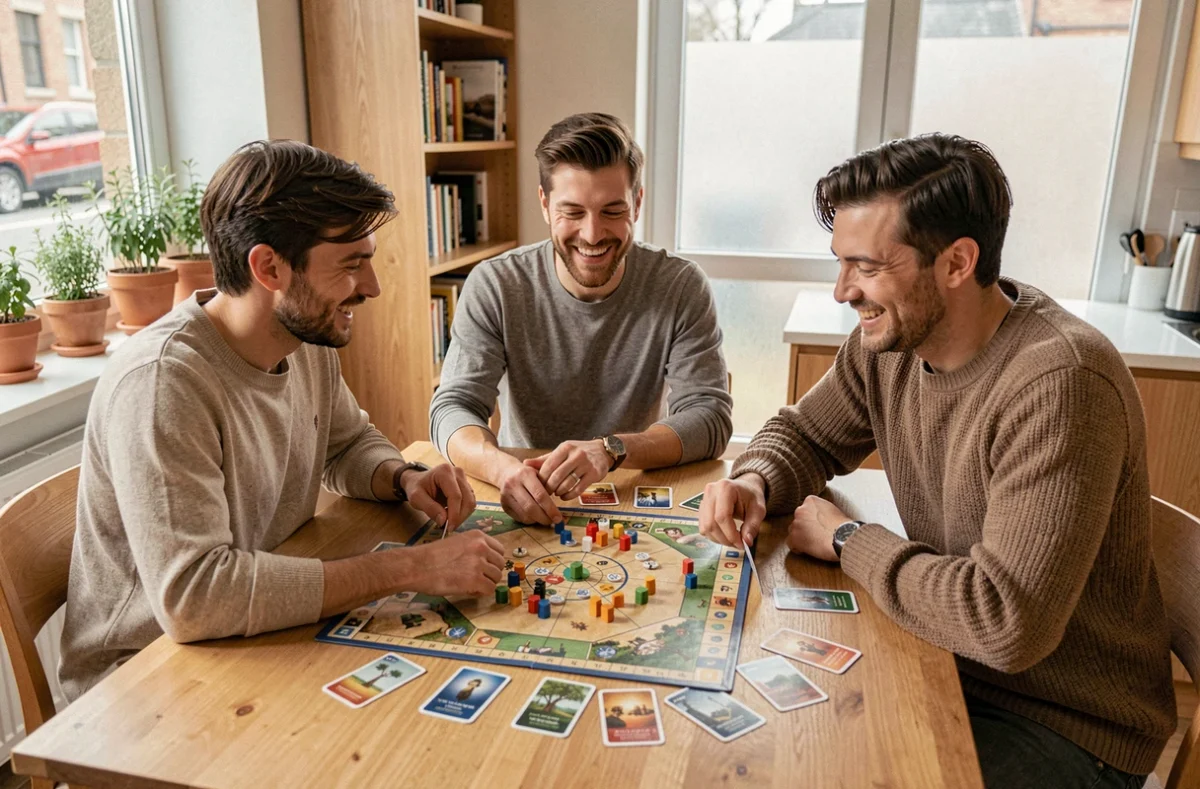
Some activities are better enjoyed in a group: board games, team sports, museum visits or concerts. They strengthen relationships and offer something that solo activities can’t. The right balance comes from combining time to yourself with time spent together, without feeling guilty when you choose one over the other.
One often overlooked factor is that the regularity of a social activity depends on how easy it is to organize. A monthly get-together that actually happens is better than a weekly plan abandoned after six weeks. Agreeing on a realistic format with friends or family—and adjusting it if needed—helps keep the group motivated.
Choosing leisure activities doesn’t have to be a big production. A foundation of free activities, two or three complementary pursuits, and the flexibility to switch between short and longer formats depending on the week are enough to fill your free time without frustration or overload.