Guadeloupe, this jewel of the Caribbean, is renowned for its idyllic beaches, soothing sea breeze, and lush tropical vegetation. But did you know that this island paradise is also the stage for a fascinating rainy season? This period, often misunderstood, profoundly influences life on the island, from local ecosystems to human activities. While some may see it as a hindrance to sunny vacations, the Guadeloupean rainy season is actually a time of year full of mystery and beauty. Let’s dive into this climatic phenomenon to unveil all its secrets.
The origins of the rainy season in Guadeloupe: a meteorological phenomenon explained
During the ‘Guadeloupe rainy season’, which extends from June to November, the island experiences a significant increase in terms of precipitation. However, the temperatures remain pleasant, generally ranging between 25°C and 30°C.
The strategic geographical location of Guadeloupe plays a crucial role in triggering this wet season. Positioned on the Gulf Stream, this warm ocean current promotes the development of an unstable weather system conducive to more frequent showers during these months.
Beyond the oceanic climate, it is also the distinctive mountainous topography that contributes to the typical unfolding of the ‘Guadeloupe rainy season’. The steep reliefs force humid air masses to rise quickly, causing rapid cooling and leading to condensation in the form of significant rainfall accumulation.
It is essential to note, however, that despite its somewhat discouraging name, during the peak of the ‘Guadeloupe rainy season’, days are interspersed with both brief but intense thunderstorms and a few hours of daily sunshine. This unique alternation gives a special charm to this tropical archipelago during this period.
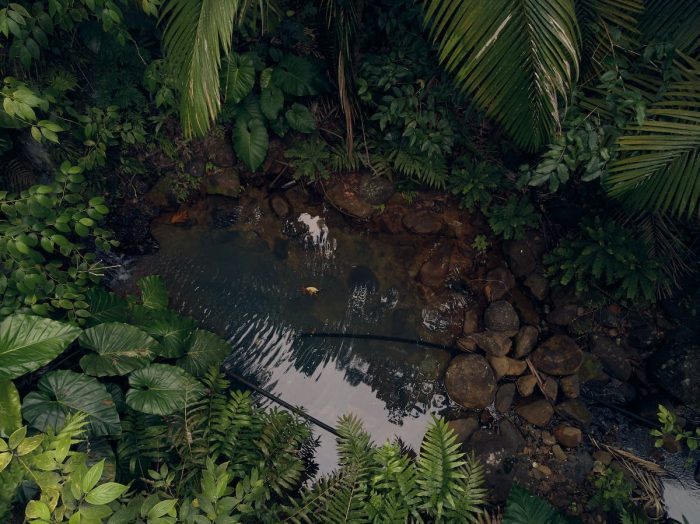
On the other hand, while some may be hesitant about the climatic uncertainties inherent to the ‘Guadeloupe rainy season’, it is also important to highlight that it offers a lush vegetation that takes on a vibrant hue characterized by a lively mix of intense green and other tropical colors.
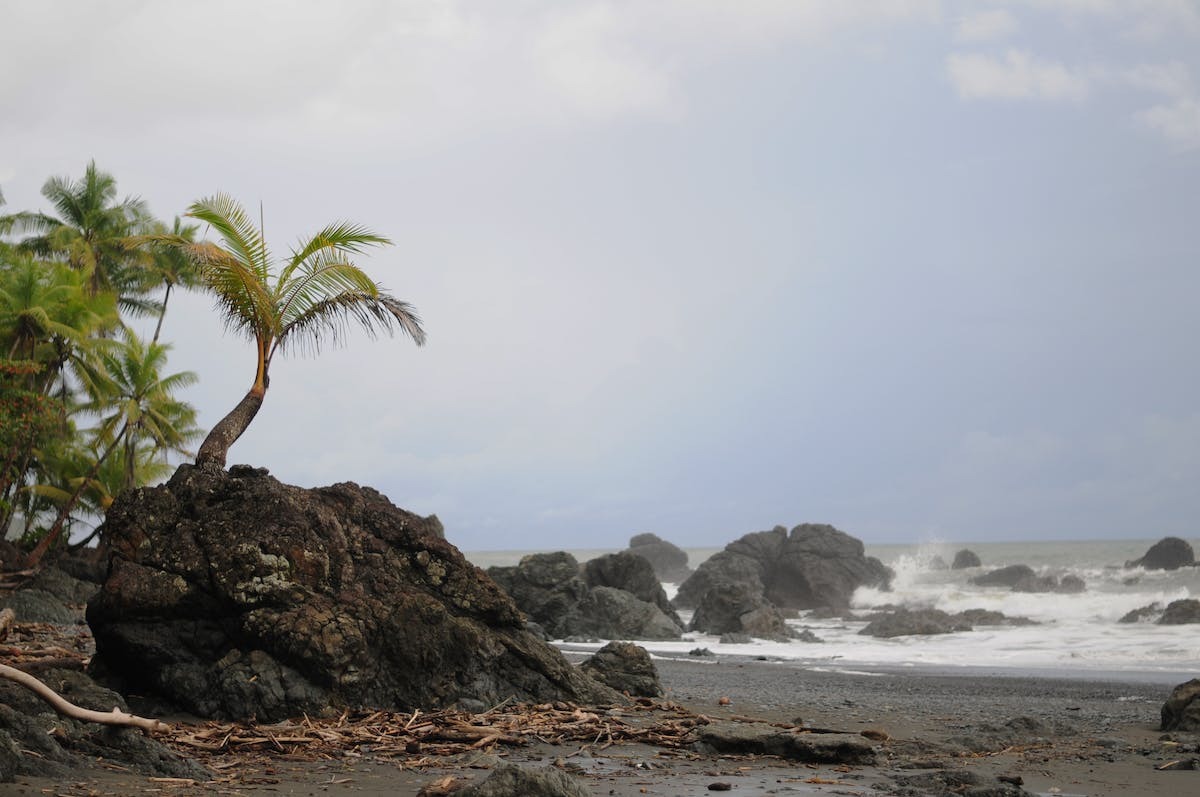
The rainy season in Guadeloupe: a climate with particular characteristics
The rainy season in Guadeloupe has a considerable impact on the island’s nature and wildlife. The abundant precipitation helps nourish the soils, thereby promoting lush vegetation and exceptional biodiversity.
The tropical forests of the archipelago experience a true explosion of life during this period. The plantations thrive vigorously, the trees don a vibrant green, and flowers bloom in a profusion of dazzling colors. The dense vegetation creates an ideal habitat for many animal species.
The diversity of animal species in Guadeloupe is remarkable, particularly due to its strategic geographical position between North and South America. During the rainy season, there is a significant increase in insect populations such as butterflies and dragonflies that take advantage of the favorable climatic conditions to reproduce.
These frequent showers allow the freshwater courses to fill, playing a vital role in the Guadeloupean ecosystem. The rivers then teem with native fish such as gobies and catfish that find their preferred environment to thrive.
It should be mentioned that some species suffer more during this rainy period. This is particularly true for seabirds whose nests can be swept away by strong winds and torrential rains. Reptiles, like iguanas, can also be affected by the degradation of their natural habitat.
It is important to emphasize that the rainy season in Guadeloupe is not limited to negative aspects. On the contrary, it represents an opportunity for nature and wildlife enthusiasts. It is a privileged time to admire the wild beauty of the island in all its splendor.
The rainy season in Guadeloupe has multiple impacts on nature and local wildlife. While it may cause some inconveniences for certain vulnerable species, it nevertheless contributes to maintaining a precious ecological balance. Thus, it is a distinct period in the annual Guadeloupean cycle that deserves to be explored and fully appreciated by those willing to brave the tropical downpours to discover its hidden secrets.
Rainy season in Guadeloupe: the consequences on nature and wildlife
During the rainy season in Guadeloupe, you must take certain precautions to ensure your safety and well-being. Here are some tips to follow to make the most of this period while avoiding potential inconveniences.
It is crucial to be attentive to the weather conditions. Showers can be sudden and intense, potentially causing flooding or landslides. It is therefore recommended to stay informed via local weather bulletins and to avoid any travel when conditions are dangerous.
You should also be cautious on the roads during the rainy season. The roads can be wet and slippery, increasing the risk of accidents. Reduce your speed, turn on your headlights even during the day, and maintain a safe distance from other vehicles.
Finally, you should protect your home from water infiltration during heavy rains. Regularly check the condition of your roof to detect any potential leaks and ensure that your gutters are clean and clear to facilitate rainwater drainage.
Essential precautions in Guadeloupe during the rainy season
Beyond the potential impacts on safety and infrastructure, the rainy season in Guadeloupe also offers many advantages for visitors and residents. The abundant precipitation has a beneficial effect on the island’s lush landscape, promoting verdant and spectacular vegetation.
The botanical gardens are particularly attractive during this time of year, offering an explosion of colors and exotic aromas. The local flora thrives on this nourishing water supply, providing nature lovers with a breathtaking visual experience.
The rainy season is also conducive to discovering the Guadeloupean waterfalls. The waterfalls take on majestic proportions thanks to the increased flow from regular precipitation. These natural sites become more impressive than ever, with their powerful jets creating a spectacle that is both refreshing and dazzling.
For those who enjoy calm and tranquility, this period is ideal for exploring less frequented trails, particularly in forest reserves or the Guadeloupe National Park. The increased presence of water ensures a peaceful and rejuvenating atmosphere where you can fully connect with the surrounding nature.
It is also important to mention that certain cultural events are specifically held during this rainy season in Guadeloupe.