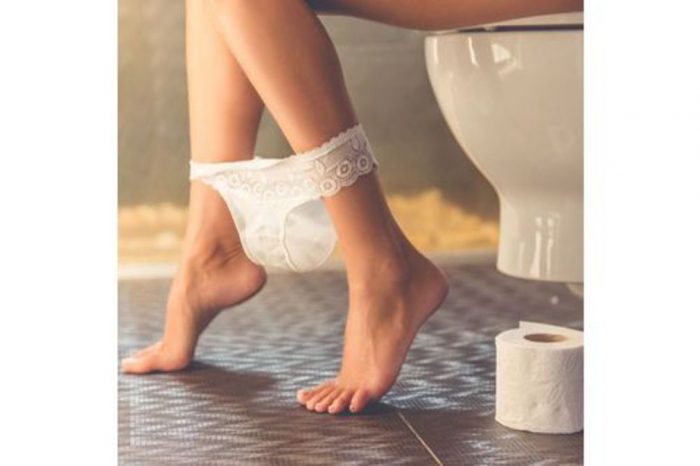
Hemorrhoids are veins located around and inside the anus and rectum. These internal and external hemorrhoids can undergo abnormal dilation, leading to a hemorrhoidal crisis. Far from being a fatality, they can be easily identified and treated in various ways.
Understanding the Different Types of Hemorrhoids
As you may already know, there are two categories of hemorrhoids: internal and external.
Internal Hemorrhoids
Internal hemorrhoids form inside the anus or around the rectum appearing as a protrusion. They are a sign of involvement of the internal hemorrhoidal plexus. Their dilation can occur in four phases.
- It remains inside the anus and is not visible.
- During defecation, it protrudes from the anus and then returns inside.
- After each defecation, you have to push it back inside the anus with your fingers.
- At this stage, it remains outside the anus as it is impossible to push it back inside.
External Hemorrhoids
Resulting from the dilation of the external hemorrhoidal plexus, they are more painful than internal hemorrhoids since they are more composed of nerve fibers. Located at the skin at the anal opening, they present a high risk of blood clot formation in a dilated vein.
What Causes Hemorrhoids?
Many factors can lead to the formation of a hemorrhoid in your anal and rectal area.
- A regular constipation or diarrhea
- Excessive consumption of spices or alcohol
- Taking antidepressants
- Certain topical treatments such as enemas and irritating soaps.
Some individuals, due to their condition or profession, are at higher risk of developing hemorrhoids.
- Women during pregnancy and after childbirth.
- Practitioners of cycling or equestrian sports
- People with a close relative who has hemorrhoids
- Individuals suffering from liver cirrhosis.
How to Treat Hemorrhoids?
Once it is established that you have hemorrhoids, there are behaviors to adopt:
- Maintain good anal hygiene: by showering regularly without using soap that could irritate the hemorrhoid.
- Prefer baby wipes or moist toilet paper over regular toilet paper to avoid inflaming your anal and rectal area.
- Apply cold compresses to your anus to soothe pain and itching. Stay away from hot water to avoid triggering a hemorrhoidal crisis.
- Wear cotton underwear that absorbs moisture well.
- At the onset of symptoms, avoid foods that may irritate the mucous membranes, such as chili and strong mustard.
Treatment for hemorrhoids is possible through topical, oral, or injection methods.
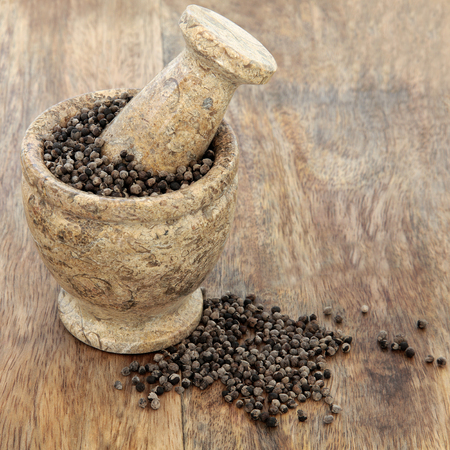
For topical treatment, you can use a hemorrhoid ointment. These anti-hemorrhoid creams are anti-inflammatory agents that relieve pain. In addition to these creams, you can purchase lubricating products to ease bowel movements. Topical anti-hemorrhoidal preparations such as creams, ointments, or suppositories are available at pharmacies. Ointments require a prescription, unlike lubricating products.
For oral treatment, you can take medications that reduce the symptoms of hemorrhoidal crises; bleeding and pain for internal hemorrhoids. Always consult your doctor before starting any medication treatment.