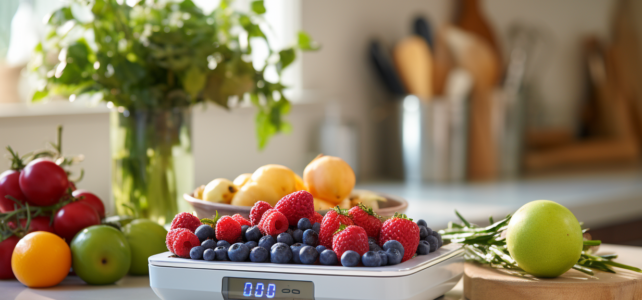
When embarking on a weight loss journey with the Weight Watchers program, understanding the portion system is fundamental to success. This program, known for its flexibility and balanced approach to eating, relies on a points system assigned to each food, encouraging not only the consumption of healthy choices but also the mastery of portion sizes. To navigate this diet with ease, one must acquire practical skills in calculating portions, allowing for adherence to the daily points budget while satisfying nutritional and taste needs.
Understanding the Weight Watchers Points System for Suitable Portions
At the heart of Weight Watchers is the ProPoints® system, a method that assigns a specific number of points to each food based on its nutritional value. Understanding how to calculate Weight Watchers portions for effective weight loss involves mastering this points system. It encourages the consumption of foods with high nutritional density and low energy density, allowing one to feel full without exceeding the number of points allocated for the day.
ZeroPoint foods play a key role in this dietary strategy. They represent healthy nutritional choices that do not need to be counted in the daily points budget, thus facilitating meal management without tedious calculations. These foods, which include fruits, vegetables, lean proteins, and legumes, allow for the creation of satisfying meals while promoting weight loss.
The WW App proves to be a valuable tool for determining the ideal food portion suited to each user’s individual needs. It helps find the appropriate amount of Weight Watchers foods based on available points, while also considering individual preferences and goals. The app contributes to personalizing the Weight Watchers experience by adjusting portions to dietary needs and specific cravings.
The food portion is determined by the individual needs of each person following the Weight Watchers program. There is no one-size-fits-all measurement, as each individual has their own points budget based on their metabolism, physical activity level, and weight loss goals. By taking these factors into account, the Weight Watchers system encourages an individualized and flexible approach to portion management, allowing for balanced plates without sacrificing taste satisfaction.
Practical Strategies for Managing Portions Daily with Weight Watchers
Within the Weight Watchers journey, portion management takes center stage. To master portion calculation, concrete tips can be integrated into daily routines. The use of measuring utensils is among the most effective methods. From measuring cups to spoons, these tools allow for precise control over consumed quantities, eliminating approximations that could hinder progress toward weight loss goals.
Visualization is another relevant technique for assessing portions without a scale or measuring tools. An ideal portion of meat or fish is often compared to the size of the palm of the hand, while an appropriate portion of cheese can be equivalent to the size of the thumb. This simple method helps regulate food intake even in the absence of measuring tools, facilitating quick decision-making during meal preparation.
At restaurants, where portion control can be trickier, standardized portions served can serve as a reference. Restaurants, often mindful of dietary recommendations, offer portion sizes that can easily fit within the Weight Watchers points system. Having a clear idea of standard portions can also guide food choices during outings or events.
Practicing mindfulness during meals is an effective lever for controlling the amount consumed. Taking the time to eat slowly, savor each bite, and listen to the body’s satiety signals are essential habits for regulating caloric intake without exceeding the allocated points. Following the recommendations of the National Nutrition Health Program (PNNS), such as incorporating at least five servings of fruits and vegetables per day, contributes to a varied and balanced diet, which is key to success within the Weight Watchers framework.