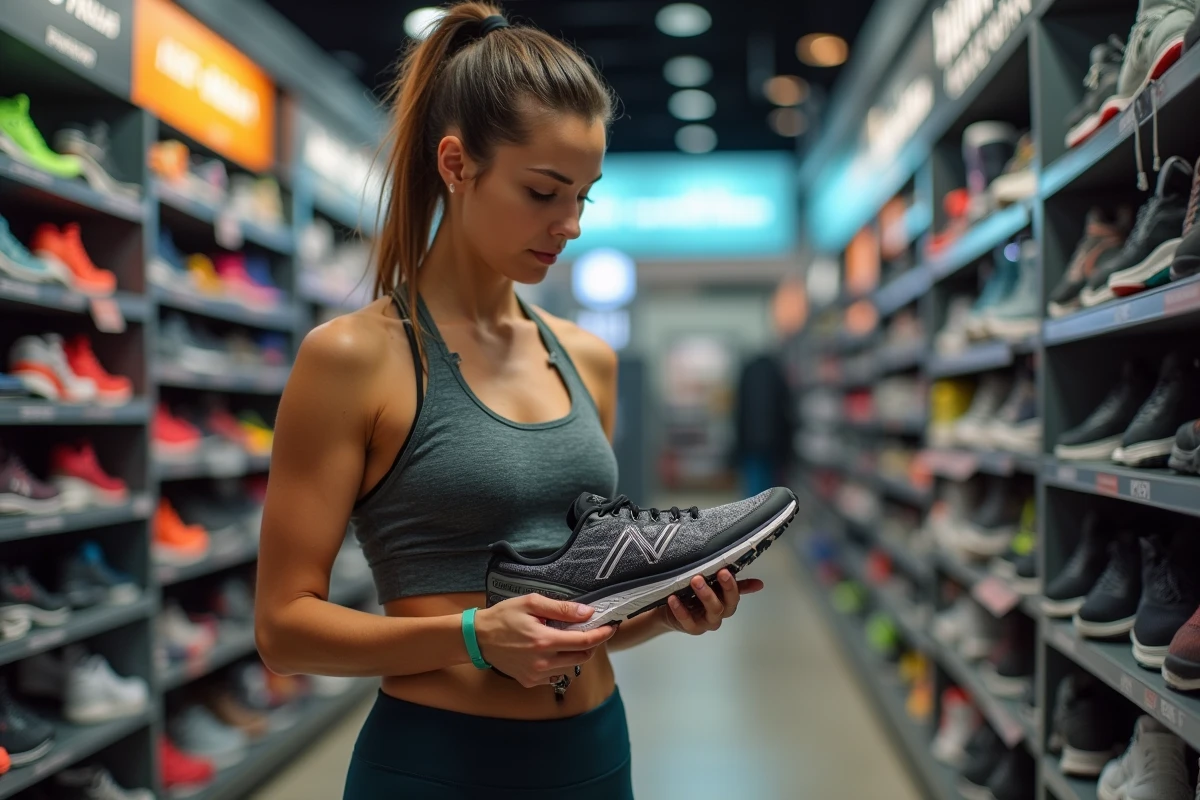
Sports equipment is defined by its ability to keep the body in correct biomechanical alignment during exertion. Shoes, technical clothing, protective accessories: each piece serves a specific function that directly influences comfort, injury prevention, and progress. Choosing your gear requires understanding a few technical principles before comparing options.
Postural constraints of remote work and sports equipment: a hybrid use case
Hours spent sitting in front of a screen alter the muscle chains engaged during training. Hip flexors shorten, back muscles lose tone, and shoulders roll forward. Resuming sports with equipment designed for a mobile and well-aligned body creates a mismatch.
This mismatch has concrete consequences. Running shoes purchased before a long sedentary period may no longer be suitable: stride changes when ankle mobility decreases. An exercise bike set for a neutral posture can lead to lower back pain if the pelvis has tilted forward due to prolonged sitting.
Adapting existing equipment is cheaper than replacing it. Before buying new gear, checking the saddle adjustment on a bike, changing the insoles of running shoes for a model that offers more arch support, or adjusting the tension of a resistance band can help compensate for some postural imbalances. To explore the equipment available on Sportetica, this logic of adaptation takes precedence over a systematic purchasing approach.
Sports shoes: understanding drop and support
The drop of a shoe refers to the height difference between the heel and the front of the foot, measured in millimeters. A high drop encourages a heel strike, common among beginner runners or those lacking flexibility in the Achilles tendon. A low or zero drop promotes a midfoot strike, which is more demanding on the muscular level.
The choice of drop directly depends on the activity and current physical condition. A person who has become sedentary due to remote work and is returning to running often benefits from maintaining a moderate drop rather than abruptly switching to a minimalist shoe.
Concrete selection criteria for running and cycling
- The lateral support of the shoe protects the ankle during directional changes, a point to check in-store by simulating a lateral push
- The outsole must match the terrain: soft rubber and lugs for trail, flat and grippy rubber for the gym
- For cycling (road or stationary), the stiffness of the shoe’s sole influences power transfer to the pedal; a sole that is too soft dissipates energy
- The breathability of the upper mesh matters more for long efforts than for short, intense sessions
Technical clothing: thermal comfort and freedom of movement
A sports garment serves two functions: regulating body temperature and not hindering movement. Synthetic fibers (polyester, polyamide) wick sweat away faster than cotton, which absorbs moisture and weighs down the fabric.
The cut of the garment matters as much as its material. A shirt that is too loose can create drag on a bike. Leggings that are too tight compress the quadriceps and limit knee flexion during a squat.
For running, flat seams reduce friction over long distances. For gym exercises, a fabric with a sufficient percentage of elastane ensures that the outfit moves with you without deforming after a few washes.
Ski wear and outdoor sports: the three-layer system
The principle is based on functional layering. The first layer (technical underwear) wicks away sweat. The second layer (fleece or softshell) insulates from the cold. The third layer (waterproof and breathable jacket) protects against wind and rain.
Each layer must be breathable for the system to work. A waterproof but non-breathable jacket traps condensation inside and negates the benefits of the base layer. This flaw is common in entry-level clothing.

Accessories and supplementary equipment: what truly changes the practice
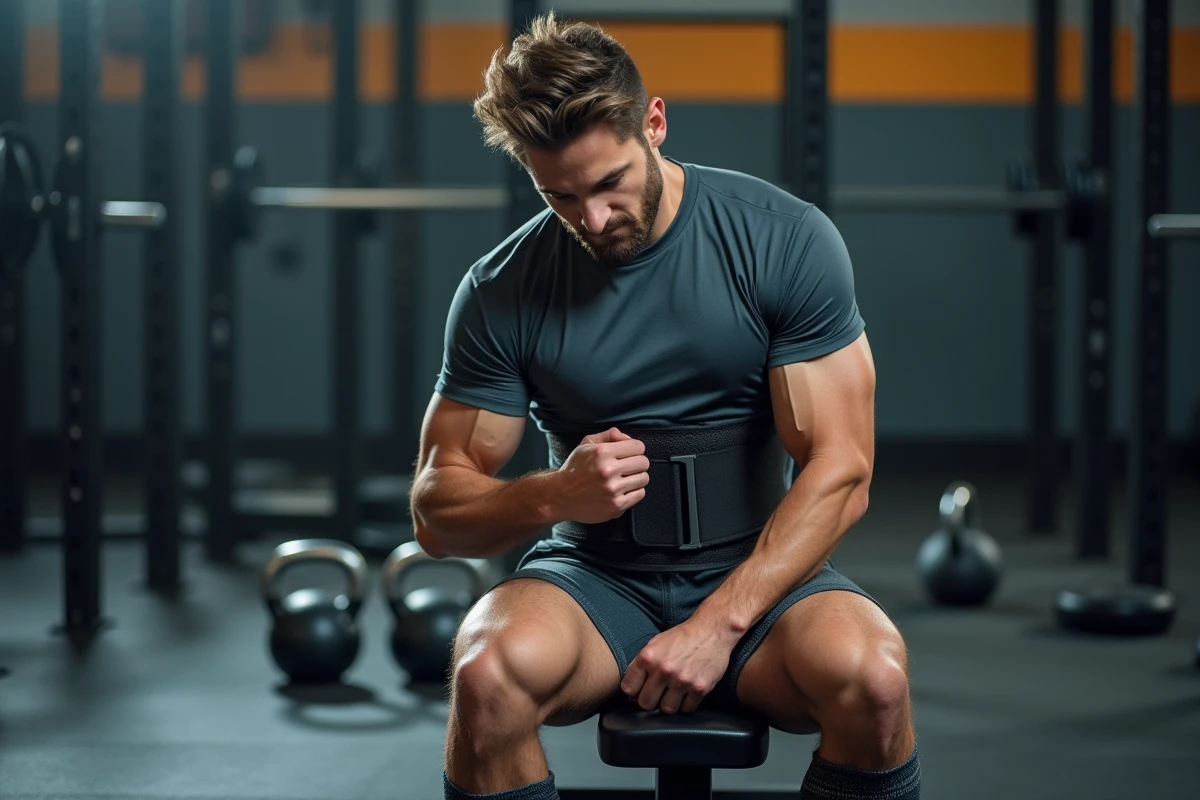
Accessories fall into two categories: those that protect and those that assist movement. A bike helmet or shin guards fall under protection. Resistance bands, a weightlifting belt, or custom orthotics fall under biomechanical assistance.
- Custom sports orthotics correct a support defect identified by a podiatrist, a relevant option for regular practitioners suffering from recurring knee or back pain
- A heart rate monitor allows you to adjust exercise intensity to target zones, preventing overtraining when returning after a sedentary period
- Weightlifting gloves protect the palms but reduce proprioception on the bar, a compromise to evaluate based on the type of exercise
Home gym equipment (stationary bike, weight bench) requires precise adjustment. A poorly positioned bike seat can cause knee pain within weeks. The saddle height should be adjusted so that the knee remains slightly bent at the bottom of the pedal stroke.
The choice of sports equipment is based on understanding its technical function before any aesthetic or brand considerations. Well-adjusted equipment that fits the current morphology of the practitioner, including any postural imbalances, yields better results than a high-end product used without adjustment.